
Kitchens around the world rely on ghee as a staple in everyday cooking, and it's something I use in a lot of my Indian and South Asian inspired recipes. Ghee has a rich, nutty flavor and high smoke point which makes it useful in a wide range of dishes, from frying vegetables to baking sweets. But, ghee is not always easy to find or suitable for every diet and dish, so in this blog I’ll be sharing my 8 best ghee substitutes for cooking and baking, including some vegan options too.
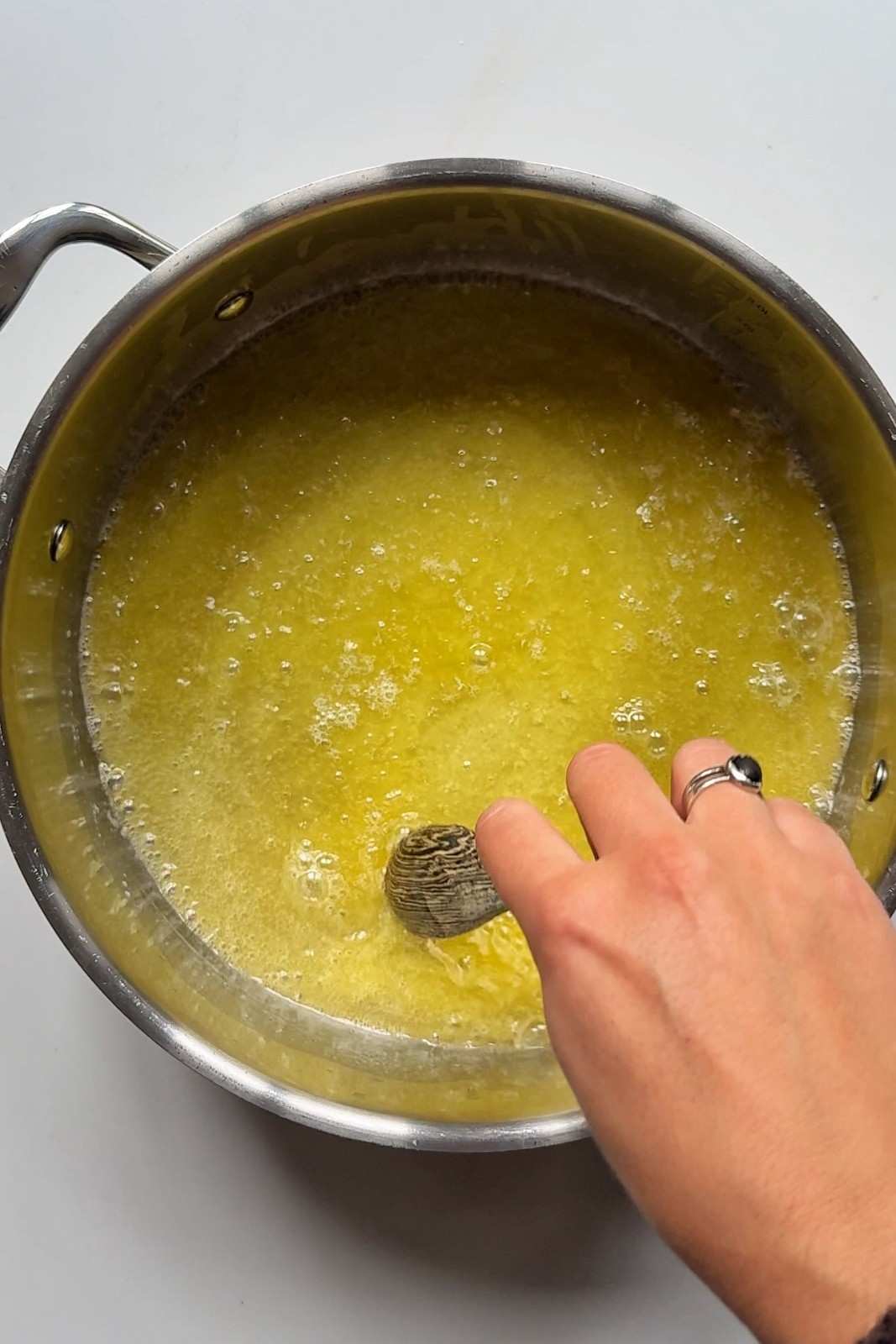
You might be trying to avoid it for health reasons or you could be looking for a dairy free ghee alternative or vegan ghee substitute. And I know from personal experience that selecting the right substitute can be a bit confusing! I find it depends entirely on the recipe and the role ghee plays in it, whether you need it for its nutty flavor, its unique texture, or its high-heat stability.
Scroll further down to find my 8 best ghee substitutes for cooking and baking (with vegan options too!), that you can use in a wide range of recipes. I'm going to dive into what Ghee actually is, my personal opinions on which alternatives work best for different cooking methods and how to use them effectively in some of my most popular recipes!
Jump to:
- What is Ghee and why do you need ghee substitutes?
- Key factors when choosing ghee substitutes
- 8 best ghee substitutes for cooking and baking
- Is ghee healthier than butter or oil?
- Tips for using ghee substitutes in global recipes
- Final thoughts and staying inspired in the kitchen
- FAQS
- Other Dishes You Might Enjoy
- 8 Best Ghee Substitutes for Cooking and Baking
What is Ghee and why do you need ghee substitutes?
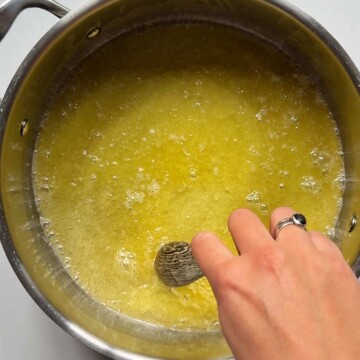
So, what is Ghee? Well, ghee is a type of clarified butter. You make it by simmering butter until the water evaporates and the milk solids separate and brown. The result is a golden, pure butterfat with a nutty aroma and a high smoke point of about 485°F (252°C). Think of a smoke point like an oil's temperature limit. If you go past this point, the oil breaks down, starts smoking, and gives your food a bitter, burnt taste.
It's commonly used in Indian, Levantine, and South Asian cuisines for sautéing, frying, baking, and drizzling over finished dishes. The other good thing about ghee is that it stays shelf-stable, so it doesn't need to be kept in the fridge.
So, why might you be looking for a Ghee substitute?
- Dietary restrictions: You follow a vegan diet or have dairy allergies and need dairy-free or vegan ghee alternatives.
- It's hard to find: Ghee might not be stocked in your local grocery stores, especially smaller or general supermarkets.
- Cost: Ghee can be more expensive than other oils or fats.
- Flavor preferences: Certain dishes may work better with a neutral oil or a different taste profile.
In this blog I’ll highlight some of my favourite ghee substitutes that can offer similar cooking properties while meeting your dietary, budget, or taste needs.
A quick note on kitchen safety: Since we’re talking about high-heat oils like avocado and mustard oil, just a friendly reminder to never leave your pan unattended when you’re heating fat. It can go from 'perfectly hot' to 'smoking' in seconds, so stay close and keep an eye on the stove.
Key factors when choosing ghee substitutes
When selecting a substitute for ghee, I find it really helps to understand how different fats and oils function in cooking. These are some of the factors that I think about when I’m trying to match a ghee alternative to one of my recipes:
- Smoke point: This is the temperature at which fat begins to smoke and degrade. Ghee has a really high smoke point of about 485°F, which makes it great for high-heat cooking like frying or sautéing. If I’m looking for a Ghee replacement for a similar cooking technique I’ll always go for one with a similar smoke point to avoid burning.
- Flavor profile: Ghee has a distinct nutty and slightly sweet flavor that’s a bit richer and more caramelized than butter. When I’m thinking about substitutes for Ghee I will ponder over whether the substitute is flavor-neutral, like refined oils, or has its own strong taste, such as sesame oil or mustard oil. The fat you choose really changes the vibe of the whole dish, so it’s worth taking a second to pick the right one!
- Cooking vs. baking: Some ghee substitutes work better for cooking methods that involve high heat, while others perform better in baking, where texture and moisture content matter more. For example, I find vegan butter works well in baked goods, while avocado oil is better for frying.
- Dietary needs: If your diet avoids dairy or animal products then don’t worry, I have alternatives for you too. Some brilliant vegan or dairy-free ghee alternatives include oils like avocado, coconut, or plant-based spreads.
- Texture and consistency: Ghee is solid at cooler temperatures and melts into a clear liquid when heated. Substitutes that mimic this behaviour, such as coconut oil or vegan butter, may work better in recipes where structure or spreadability matters.
8 best ghee substitutes for cooking and baking
Here are my 8 best ghee alternatives for cooking and baking (with some great vegan options too). These ghee substitutes work for a variety of recipes, including curries, baked goods, and sautéed vegetables. And what’s great is most can be used in a 1:1 ratio, meaning the same amount of the substitute can be used in place of ghee.
1. Coconut oil
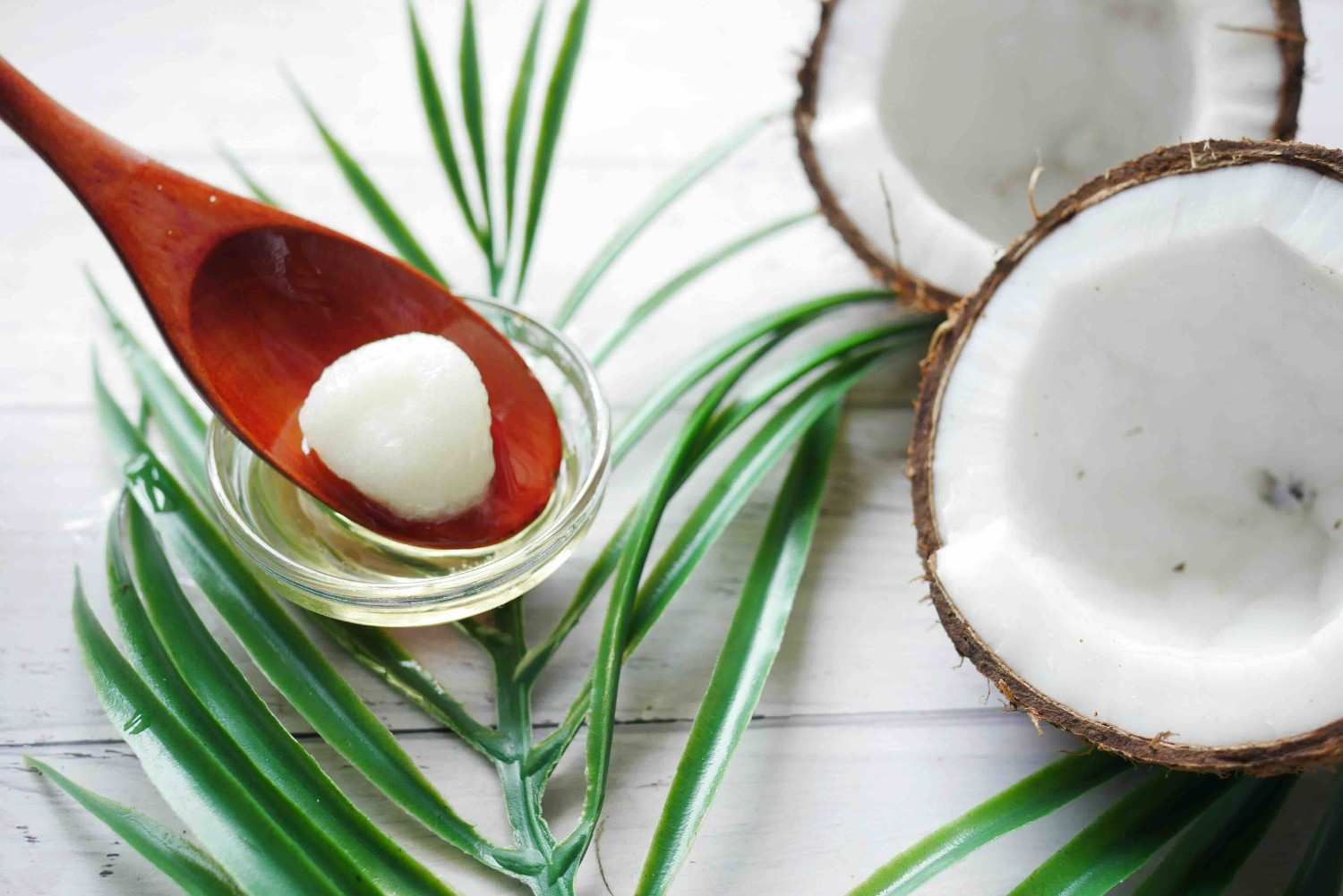
Coconut oil is a real kitchen staple for me because it’s so versatile. It’s a plant-based fat that works brilliantly in both cooking and baking and features a lot in Indian and Southeast Asian cooking. If you’re looking for a budget-friendly option, reach for refined coconut oil. It’s usually the cheapest version in the shop and has been processed to remove that 'tropical' scent, giving it more of a neutral flavor and a higher smoke point (350°F–400°F), which is perfect for frying and sautéing.
On the other hand, unrefined (or virgin) coconut oil is often a bit pricier and tastes strongly of coconut, which is lovely in baking but might not be what you want for a savory stir-fry!
If you’re making my one-pot chicken biryani, refined coconut oil is the perfect alternative to Ghee. It’s sturdy enough to handle the high-heat sizzle you need to brown the chicken and toast the spices, but it leaves the rice feeling light, fragrant, and perfectly fluffy rather than heavy. Would 100% recommend!
2. Olive oil
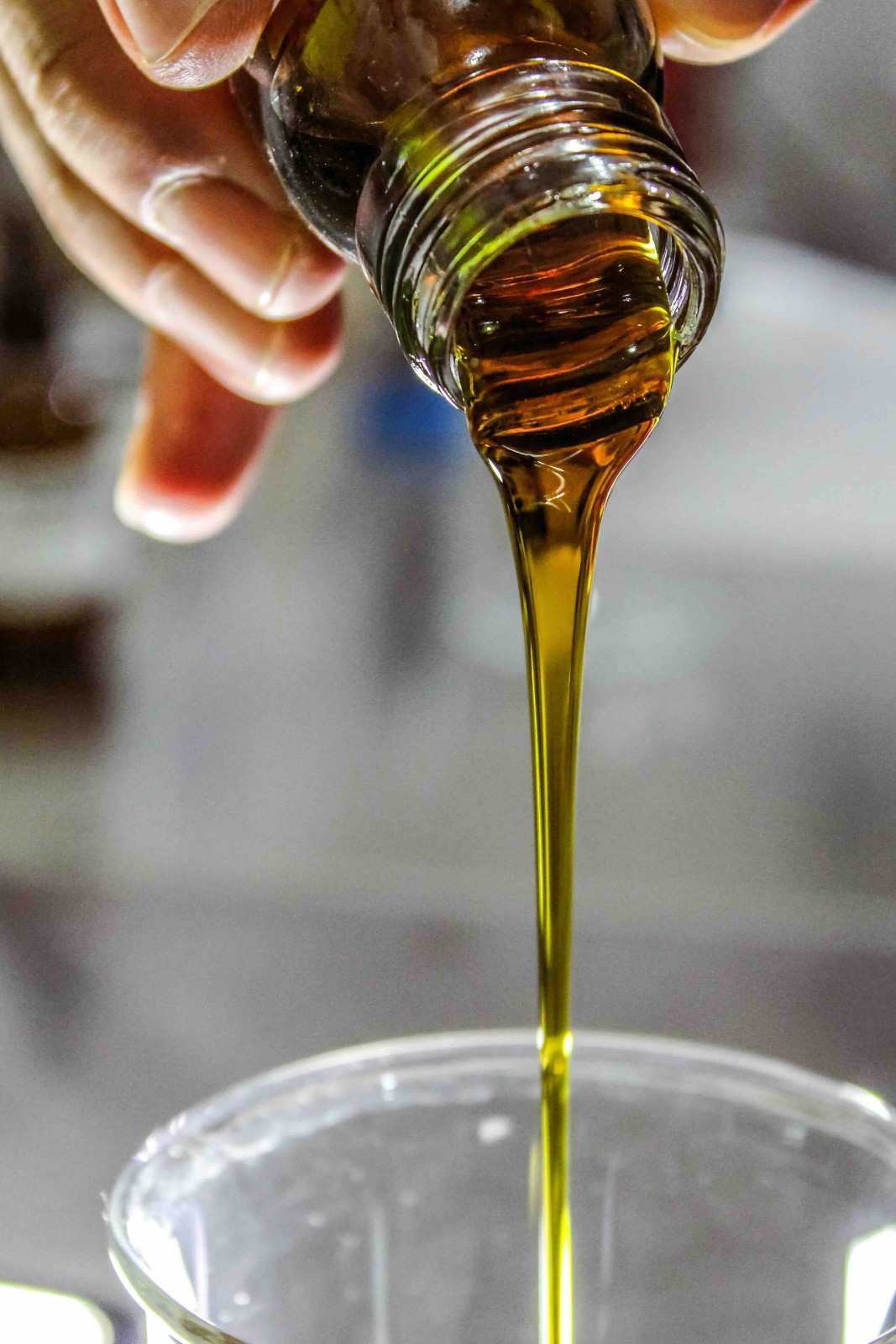
You probably have a bottle of olive oil sitting on your counter right now, which is exactly why it’s one of my top ghee substitutes... it’s almost always on hand! It’s reliable, accessible, and works for almost anything, as long as you know which bottle to grab for the job.
My top tip here is to remember the heat. Extra virgin olive oil has that lovely, fruity flavor we all love, but it doesn't love high heat (it taps out around 325°F–375°F). If you're doing some serious frying or high-heat sautéing, reach for "light" or refined olive oil instead as it can handle temperatures up to 465°F, making it a much safer swap for ghee in a hot pan.
Something to keep in mind that olive oil stays liquid, so it won’t give you that "melt-in-your-mouth" solid fat feel in baking, but for savory dishes, it’s great. And, remember to use a 1:1 ratio when replacing ghee with olive oil. My easy spinach dal (dal palak) is a perfect place to test this Ghee swap. While a traditional "tadka" (the sizzling tempered oil you pour over the top) usually uses ghee for its nutty richness, light or refined olive oil is a good alternative. It carries the flavors of the cumin seeds and garlic beautifully and gives the whole dish a fresh vibe.
3. Avocado oil
Avocado oil is my high-heat hero, with a smoke point that can reach a staggering 520°F (actually exceeding ghee’s heat limit). I find it has a beautifully neutral, mild flavor that makes it really versatile depending on what I'm cooking up.
But, it's definitely the ‘luxury’ pick of the list. It tends to be a bit pricier than your average ghee substitute, but you really do get what you pay for in terms of cooking performance. Because it stays liquid at room temperature, it’s incredibly versatile for both high-heat roasting and everyday baking. Just use it in a 1:1 ratio anywhere you’d normally reach for ghee.
If you're making my Gulab Jamun, avocado oil is a brilliant ghee swap. I personally love Good Phat’s Spanish Virgin Avocado Oil because it has a subtle richness that feels very 'ghee-like.'
Emily's top tip: Since Gulab Jamun needs a slow, gentle fry, keep your heat on low-to-medium. If you’re a beginner or worried about the oil smoking, go for a Refined Avocado Oil as it’s virtually indestructible and has that massive 520°F smoke point for extra peace of mind!
4. Vegan butter
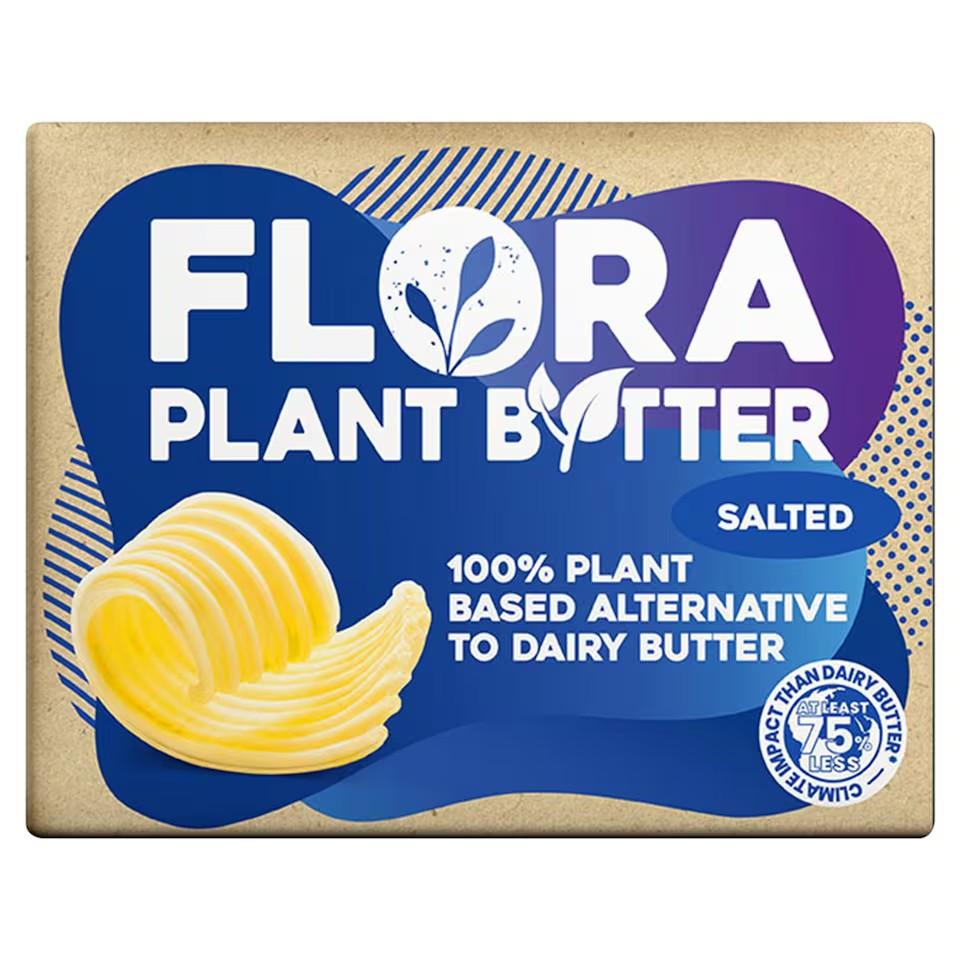
Vegan butter is basically the plant-based twin of dairy butter, usually made from a blend of plant oils like coconut, sunflower, or avocado. It’s solid when cold and softens perfectly at room temperature, making it a dream for spreading or baking.
Because vegan butter contains a bit of water (unlike ghee, which is pure fat), it has a lower smoke point of around 300°F to 350°F. This means it’s not the best choice for a high-heat stir-fry, but it is absolutely golden for cookies, cakes, and pastries where you want that rich, buttery crumb.
5. Clarified butter
Clarified butter is butter that has had its milk solids and water removed. It's very similar to ghee but isn't simmered as long, so it has a milder flavor. Because they are so similar, I'd say it's the easiest swap on my entire list of ghee alternatives.
Its smoke point is around 450°F, close to that of ghee. It's not dairy-free but can be used in most recipes where ghee is called for, including high-heat cooking and baking. Like most of the 8 best ghee substitutes on this list, I'd recommend using a 1:1 ratio. Fun fact... homemade clarified butter can actually be made by melting butter and skimming off the foam!
If you aren't going for a vegan alternative, clarified butter is probably the best frying swap for my gulab jamun sweet indian dumplings. It lets you fry them low and slow so they cook through to the middle, resulting in a rich, melt-in-the-mouth texture that matches the floral syrup beautifully. There a real fan favourite in our house!
6. Vegetable shortening
Have you ever wondered why it’s called “shortening”? Well, I did! It’s because the fat actually 'shortens' the gluten strands in your dough. While long strands make bread chewy, short strands make things crumbly and flaky.
Vegetable shortening is a solid fat made from hydrogenated vegetable oils. It has a smoke point of around 360°F and a completely neutral flavor. It actually looks very similar to ghee when solid, but it lacks the nutty flavor. You can use a 1:1 ratio when replacing ghee for baking.
In my Uzbek Samsa, shortening is a brilliant alternative. It stays solid longer than ghee while you’re rolling out those thin layers, ensuring you get that perfectly crisp, flaky finish once they hit the oven.
Just a reminder, shortening has no flavor. If you use it in the Samsa dough, you might want to add a tiny extra pinch of salt or make sure their filling is extra seasoned to make up for the lack of that "nutty" ghee taste.
7. Margarine or plant-based spreads
Margarine is the "old reliable" fat of the kitchen. It might not be the trendiest fat on the shelf, but it is one of my budget-friendly, (often) dairy-free staples that I find works brilliantly as a ghee swap. Since it’s a blend of oils and water, it behaves a lot like the vegan butter we talked about earlier and is solid enough to work with, but with a lower smoke point (around 300°F–350°F).
The flavor of margarine varies by brand. Some taste like butter, while others are more neutral. When you want to make one of my comfort-food classics like my viral Marry Me Chicken Pie entirely dairy-free, margarine is your best friend. I recommend using olive oil for the sautéing, but opting for a dairy-free margarine for the pastry. It’s much easier to work into the flour than liquid oil, and it gives the pie lid that beautiful, golden, tender crumb that every good pie deserves.
Emily’s top tip: Because margarine can be quite salty depending on the brand, just keep an eye on your seasoning in the pie filling. You might find you don’t need that extra pinch of salt once the margarine-crust is on top! And, remember to use a 1:1 ratio when replacing ghee.
8. Sesame or mustard oil
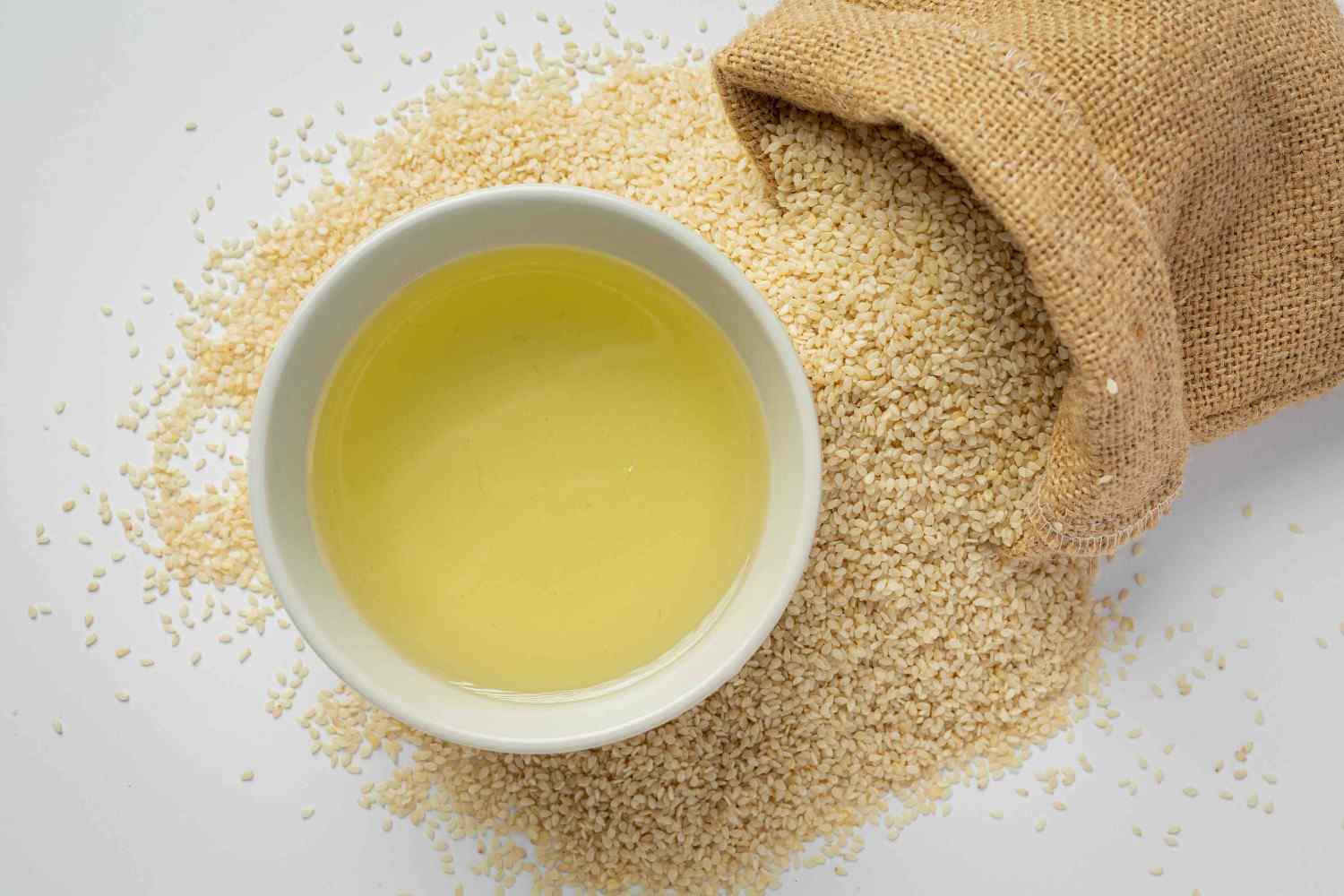
I like to call sesame and mustard oil my ‘flavor-first’ swaps. They are both strong-flavored oils, which I love. But, you should only turn to these when you want to lean into a specific flavor profile. Sesame oil has a smoke point of about 410°F and a toasted, nutty aroma, while mustard oil has a very high smoke point of around 480°F and a sharp, pungent taste. Safety first, remember never leave oil unattended when heating it to its smoking point.
I tend to use these ghee substitutes in small amounts to flavor dishes such as stir-fries, dals, and curries. I would not recommend in baking or dishes requiring a neutral taste.
Emily’s top tip: You can normally get away with a 1:1 ratio, but because these oils are so potent, I recommend reducing the amount slightly at first. You can always drizzle a little more on at the end, but you can’t take that strong flavor back once it’s in the pan!
Is ghee healthier than butter or oil?
Ghee is essentially a type of clarified butter, which means it’s mostly saturated fat and cholesterol. But, the big win for ghee is that it doesn’t contain milk proteins or lactose, making it much friendlier for anyone with a dairy sensitivity. That said, at the end of the day, it’s still an animal fat with a similar calorie count to regular butter.
If you’re looking at heart health, plant-based oils like olive and avocado oil are high in monounsaturated fats, which are generally considered a more favorable choice. Plus, because they're plant-based and minimally processed, they have much lower levels of saturated fat and zero cholesterol.
So… is ghee "healthier" than butter or oil? It really depends on what you’re cooking and what your body needs. When it comes to high-heat roasting or frying, the smoke point is actually more important than the tiny nutritional differences. Ghee is famous for being stable at high temperatures, but avocado oil actually has an even higher smoke point, making it a brilliant alternative for those serious sizzles.
| Fat Type | Smoke Point | Saturated Fat | Best For |
| Ghee | 485°F (252°C) | High | High-heat cooking, Indian recipes |
| Coconut Oil | 350-400°F (177–204°C) | High | Baking, vegan cooking |
| Olive Oil | 325-465°F (163–241°C) | Low | Mediterranean dishes, dressings |
| Avocado Oil | 520°F (271°C) | Low | High-heat cooking, neutral flavor needed |
| Vegan Butter | 300-350°F (149–177°C) | Medium | Baking, spreading |
All fats contribute calories and work best when used in moderation. Choosing a fat for cooking or baking isn't always about finding the healthiest one in all situations, but selecting one that fits the recipe and personal dietary goals.
Tips for using ghee substitutes in global recipes
Picking the right ghee swap really comes down to what you’re cooking. Here’s my quick guide for matching the fat to the dish:
- For Indian Curries and Dal: If you want to keep that signature richness, reach for coconut oil, sunflower oil, or clarified butter. If you're feeling adventurous and want an authentic North Indian "kick," mustard oil is a total game-changer for tempering your spices.
- For Middle Eastern Favorites: Whether it’s a fluffy pilaf or roasted veg, olive oil or clarified butter are your best bets. They stay true to the regional flavors and keep things tasting authentic.
- For the Bakers (Cookies, Cakes, and Pastry): You need a fat that stays solid to get that perfect crumb. Vegan butter and vegetable shortening are the pros here. They replicate that solid ghee texture, so your pie crusts stay flaky and your cakes stay structured.
- For High-Heat Sizzling: If you’re doing a heavy stir-fry or a high-heat roast, avocado oil and refined coconut oil are your best friends. They won’t smoke or burn, which is exactly why we use ghee in the first place.
- When You Want Zero Flavor: If you don’t want the oil to interfere with your ingredients, stick to refined oils. Refined avocado, light olive oil, or refined coconut oil are all "blank canvases" that let your spices do the talking.
Final thoughts and staying inspired in the kitchen
As someone who creates recipes every day, keeping plenty of ghee substitutes in my kitchen gives me the flexibility I need to make food that appeals to all tastes and dietary requirements. Ingredient substitutions are a normal part of cooking and a really good cooking muscle to grow. And I love that these swaps make it so much easier for everyone to dive into global flavors, no matter what their diet looks like or what’s in their pantry.
For more budget-friendly recipe ideas and creative ingredient swaps, check out my full cupboard of recipes. Or, take a look at some of my most popular swap blogs below:
- 12 Best Celery Substitutes For Every Recipe
- 15 Best Substitutes For Greek Yogurt In 2025
- 11 Best Gochugaru Substitutes
- 13 Best Substitutes for Chili Oil
- 15 Best Substitutes For Borlotti Beans
- 20 Best Substitutes For Orzo
FAQS
Not really! Butter has a smoke point of about 350°F, while ghee can go all the way up to 485°F. Because butter still has milk solids and water in it, it’ll burn and turn bitter if you get the pan too hot. If you're searing or frying, you're much better off reaching for clarified butter, refined coconut oil, or avocado oil.
Refined coconut oil is your best bet here. It has a similar solid texture at room temperature and a smoke point between 350°F and 400°F, making it perfect for curries. If you want something even more authentic for regional dishes, sesame or mustard oil are brilliant for adding those deep, traditional flavors.
You can definitely swap them at a 1:1 ratio, but there’s a catch. Butter is about 15% water, while ghee is pure fat. Using ghee alone can make your cakes or cookies a bit denser or drier. My pro tip? Add 1 to 2 tablespoons of liquid (like milk or water) to the dough to make up for that lost moisture.
Avocado oil is the winner here! Its smoke point is a massive 520°F, which even beats out ghee. It’s my go-to for anything that needs a serious sizzle, like a stir-fry or deep-frying.
It’s a simple 1:1 swap. The main thing is to match the oil to what you’re making. If you don't want to taste the oil, go for something neutral like refined coconut or avocado oil. If you’re making something savory and want a bit of a punch, that’s when you reach for the mustard or sesame oil!
Other Dishes You Might Enjoy


8 Best Ghee Substitutes for Cooking and Baking
Ingredients
- 8 Best Ghee Substitutes for Cooking and Baking
Instructions
- Browse all of the ghee substitutes further up in the blog and pick an alternative you'd like to use.
- Make the chosen dish or create a recipe from the ingredient chosen.
- Serve up with any sides you like and enjoy!

Leave a Reply