
This quick Shirataki Noodles Recipe is simple and delicious. It's super healthy with lots of vegetables and an easy sauce. I think you're going to love it!
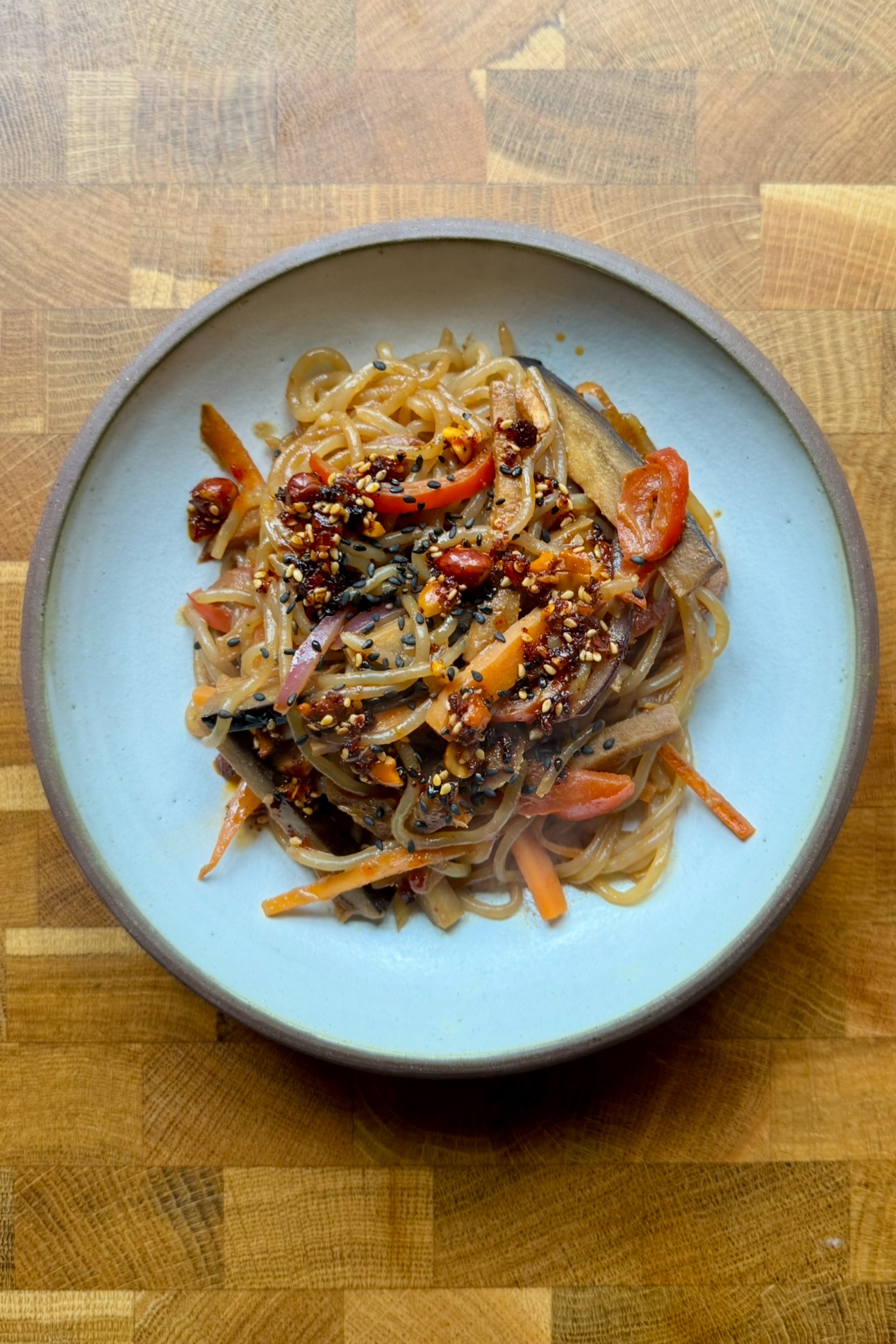
This shirataki noodle recipe is perfect for if you're wanting a low calorie dinner. The noodles are bouncy and there are plenty of vegetables that result in a diverse, gut-friendly meal. Just because it's healthy, doesn't mean it's not delicious. The flavours are unreal, so give it a go and enjoy!
For a couple more healthy recipes, check out my high protein breakfast burrito or my air fryer turkey meatballs ! For your cheat day or if you're just looking for a delicious noodle recipe, check out my easy curry noodles!
Jump to:
What Are Shirataki Noodles?
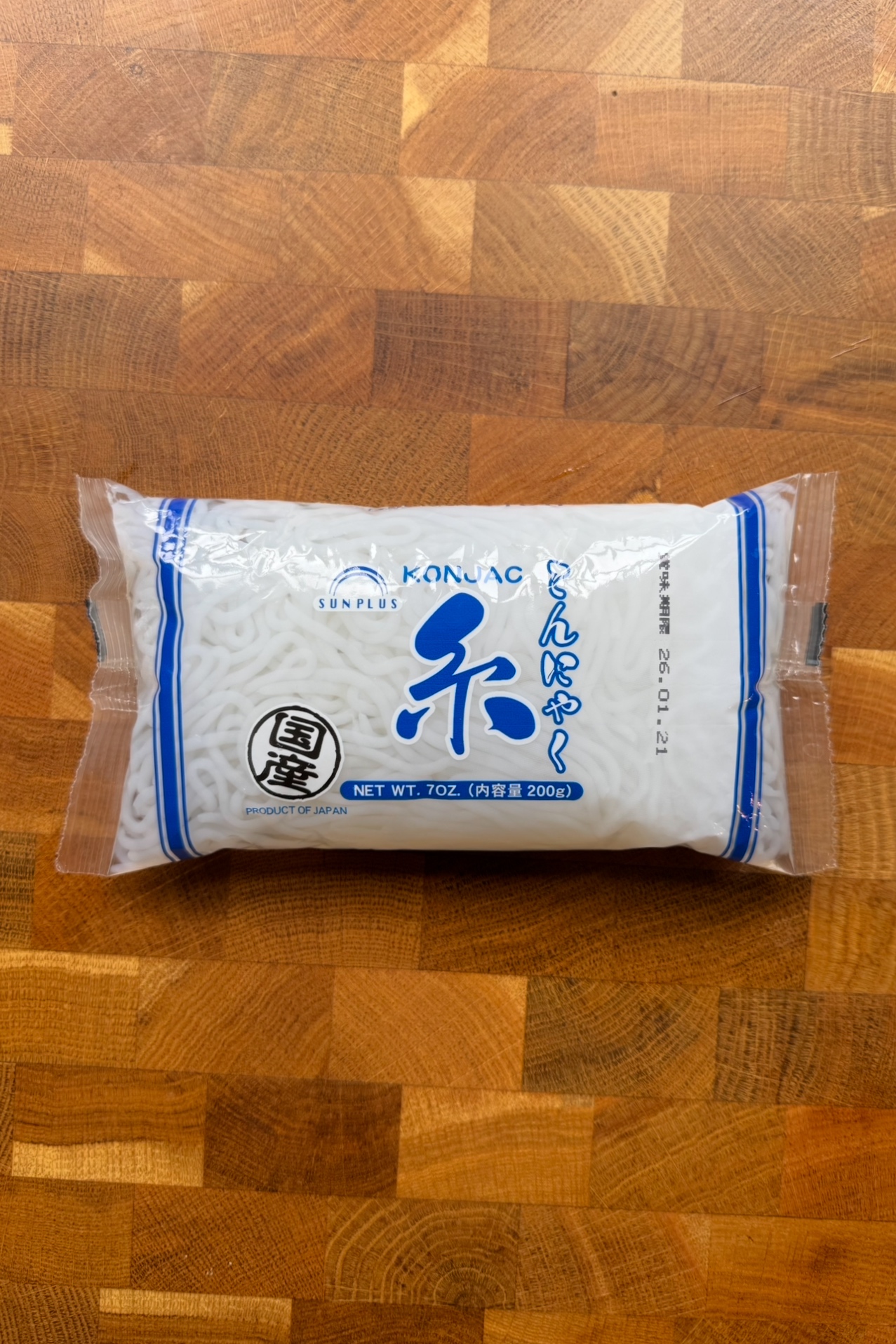
Also known as Konjac noodles, Shirataki noodles are a type of low-calorie noodle made from Japanese Konjac yam and water. I'm not even kidding, I had a look at the back of the shirataki noodles packet and it was like 97% water and 3% konjac yam flour. WILD!
Why You'll Love This Recipe
Low calorie: when I'm in the mood to eat a lot of something but need a low-calorie option, these shirataki noodles are a great choice. To give you some context, shirataki noodles have around 10-15 calories per 100g, compared to wheat noodles which have around 150 calories per 100g.
Quick: because the noodles are basically cooked, we're just frying off some vegetables and stir frying everything for a few minutes!
Flavorful: low calorie doesn't mean gross. These konjac noodles pack so much flavour, I can't wait for you to try them!
Ingredients and Substitutions
Shirataki noodles: I went to my local Japanese supermarket and bought a couple of different konjac noodles. If you loved this recipe and are happy to use any noodles, then go for it! If you're wanting the low calorie dish, then shirataki noodles are the noodles you want!
Vegetables: we're going for freshly chopped garlic, ginger, sliced red onions, thinly sliced carrots, red bell peppers, and aubergine. If you're wanting some different options, feel free to go for pak choi, edamame beans, sugar snap peas, courgettes, tenderstem broccoli, or tofu for a plant-based protein option.
Soy sauce: we're using dark soy sauce for this recipe but you can use light soy sauce.
Rice wine vinegar: this adds a lovely acidity to our sauce. You could alternatively use white wine vinegar or Chinese black vinegar.
Sesame oil: for a nuttiness, this is a great ingredient. You could use any other nut oil if you are allergic.
Honey: we always love a sweetness in our sauces. If you don't want to use honey, feel free to use maple syrup, agave, or brown sugar.
Sesame paste: I've chosen to use tahini for this recipe, but you could use sesame paste or peanut butter.
See the recipe card below for full list of ingredients.
Step by Step Instructions with Photos
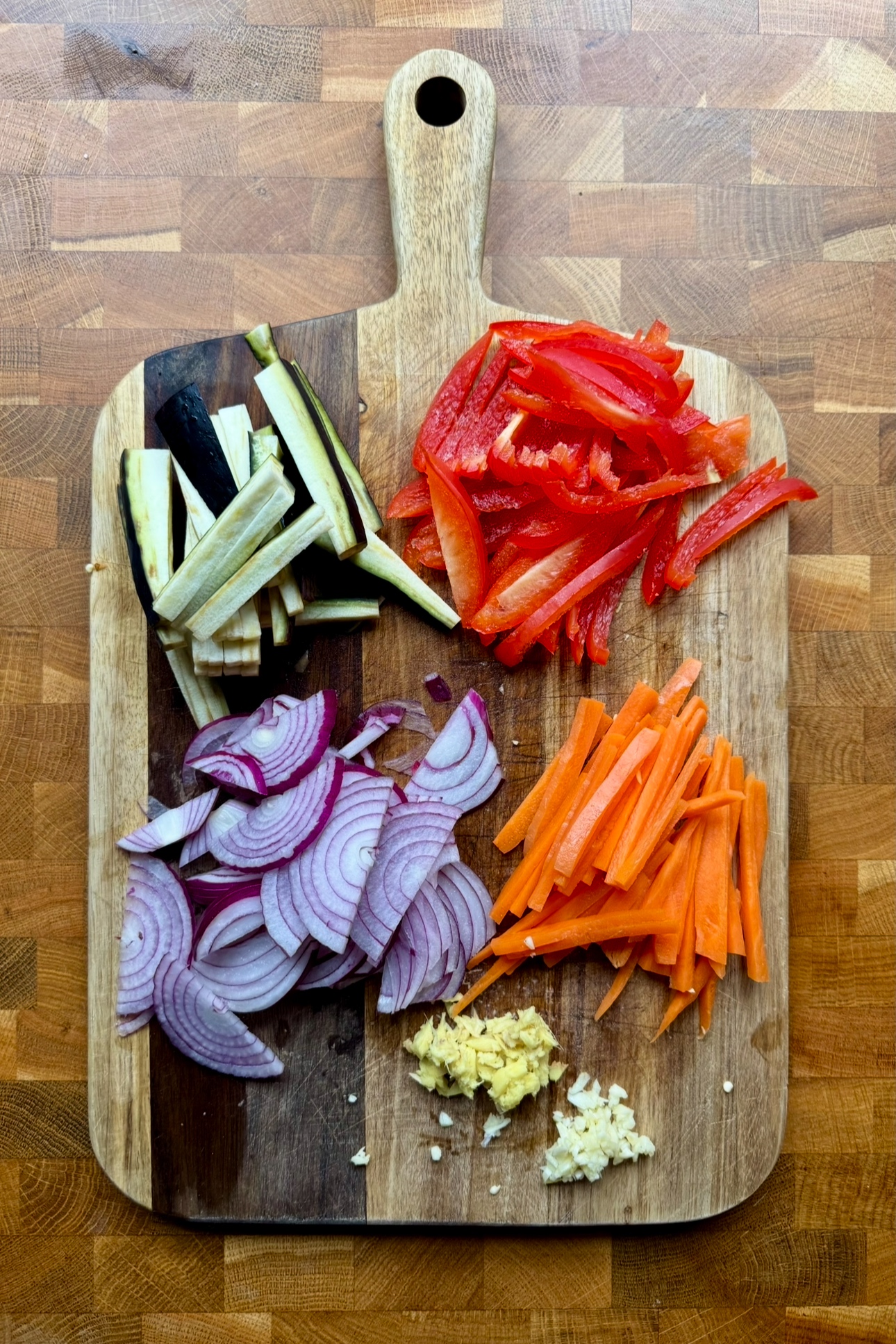
Step 1: Prepare your vegetables. Finely minced your garlic and ginger. Slice up your carrots, onion, red bell pepper, and aubergine/eggplant.
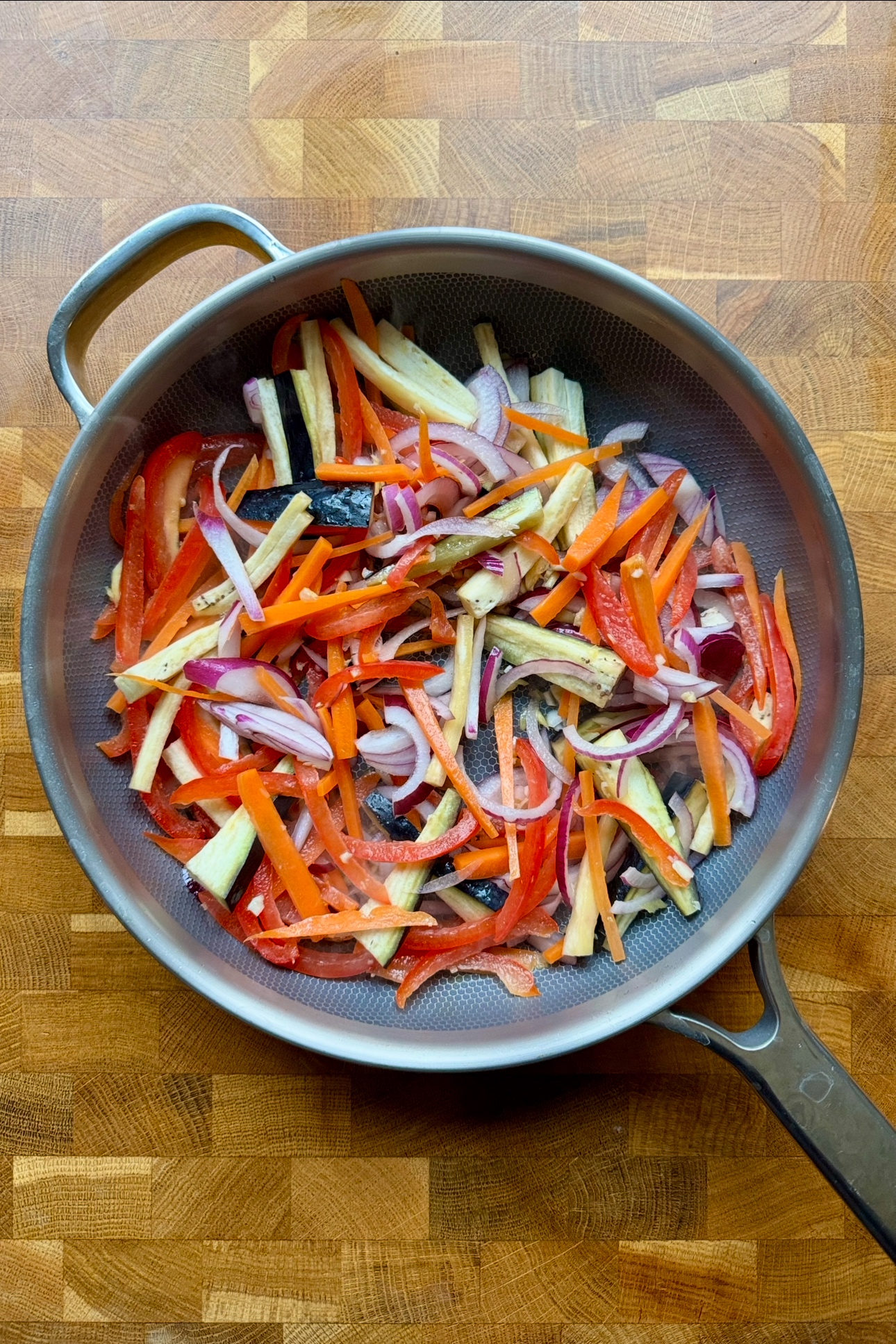
Step 2: Place a large frying pan or wok on medium heat and drizzle with vegetable oil. Once hot, add in all the vegetables and fry for 5 minutes, stirring occasionally.
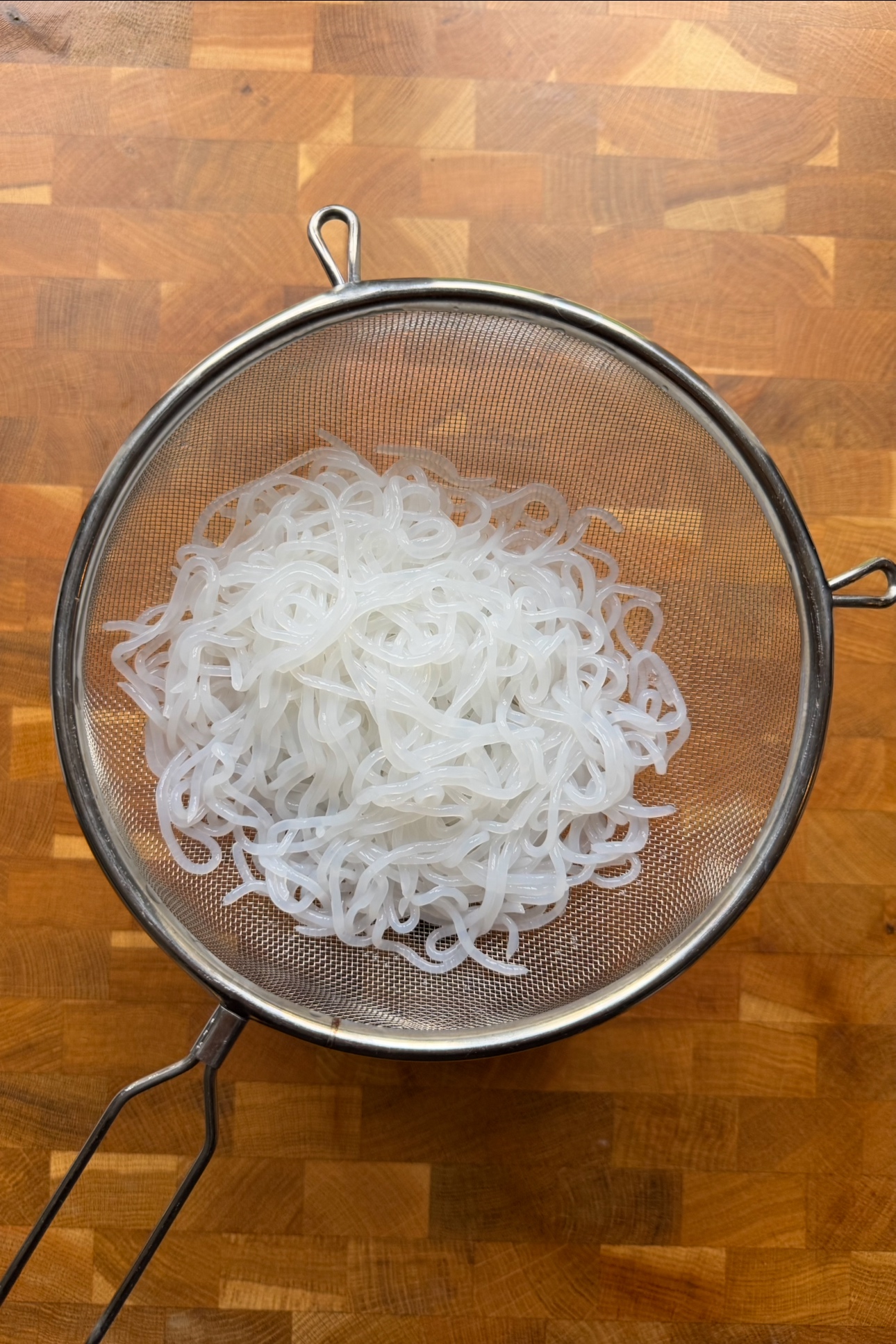
Step 3: Prepare your konjac noodles. Remove them from their packet and rinse under cold water.
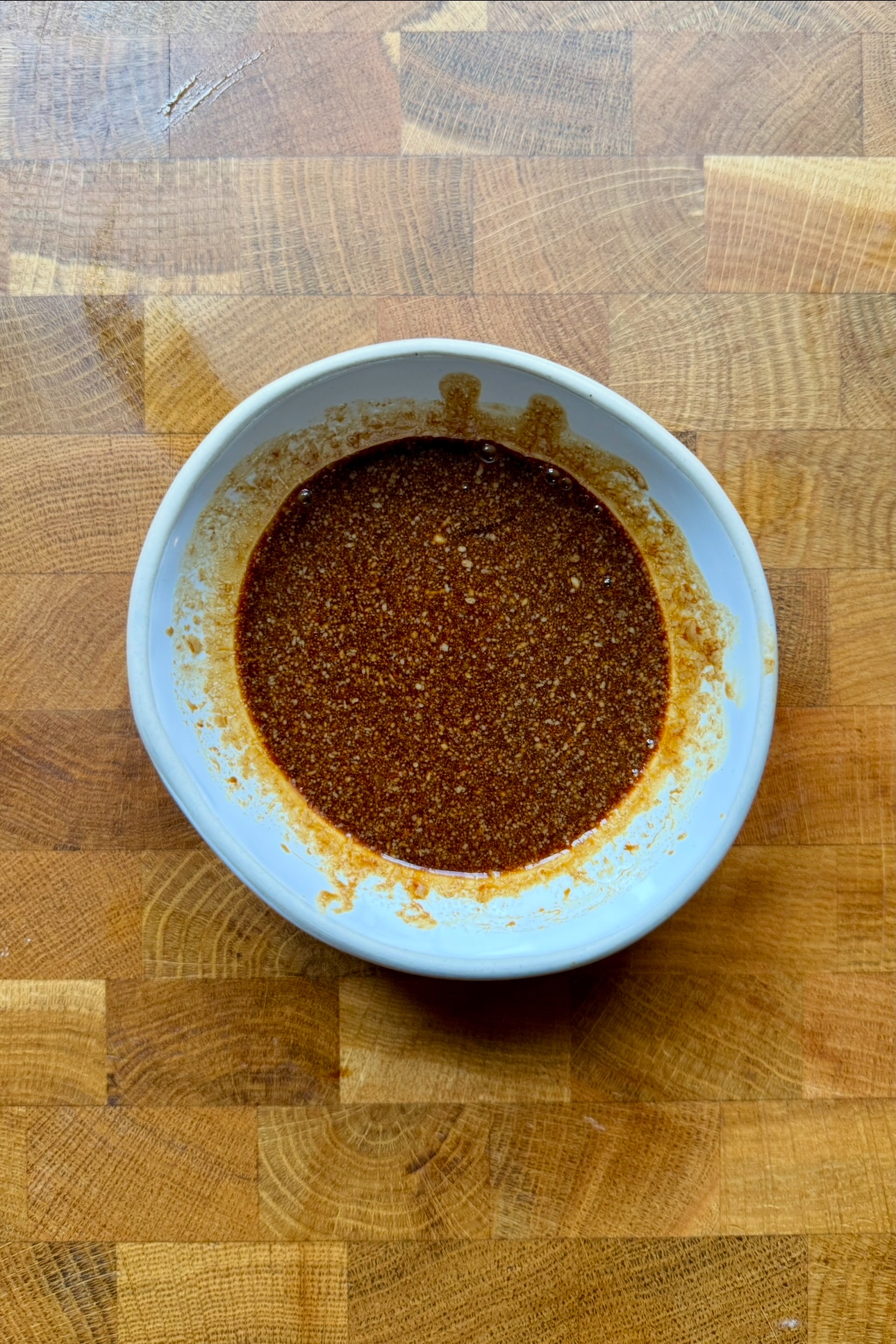
Step 4: Make your noodle sauce by combining dark soy sauce, rice wine vinegar, sesame oil, honey, and tahini/sesame paste in a small bowl. Stir to combine and taste for personal preference.
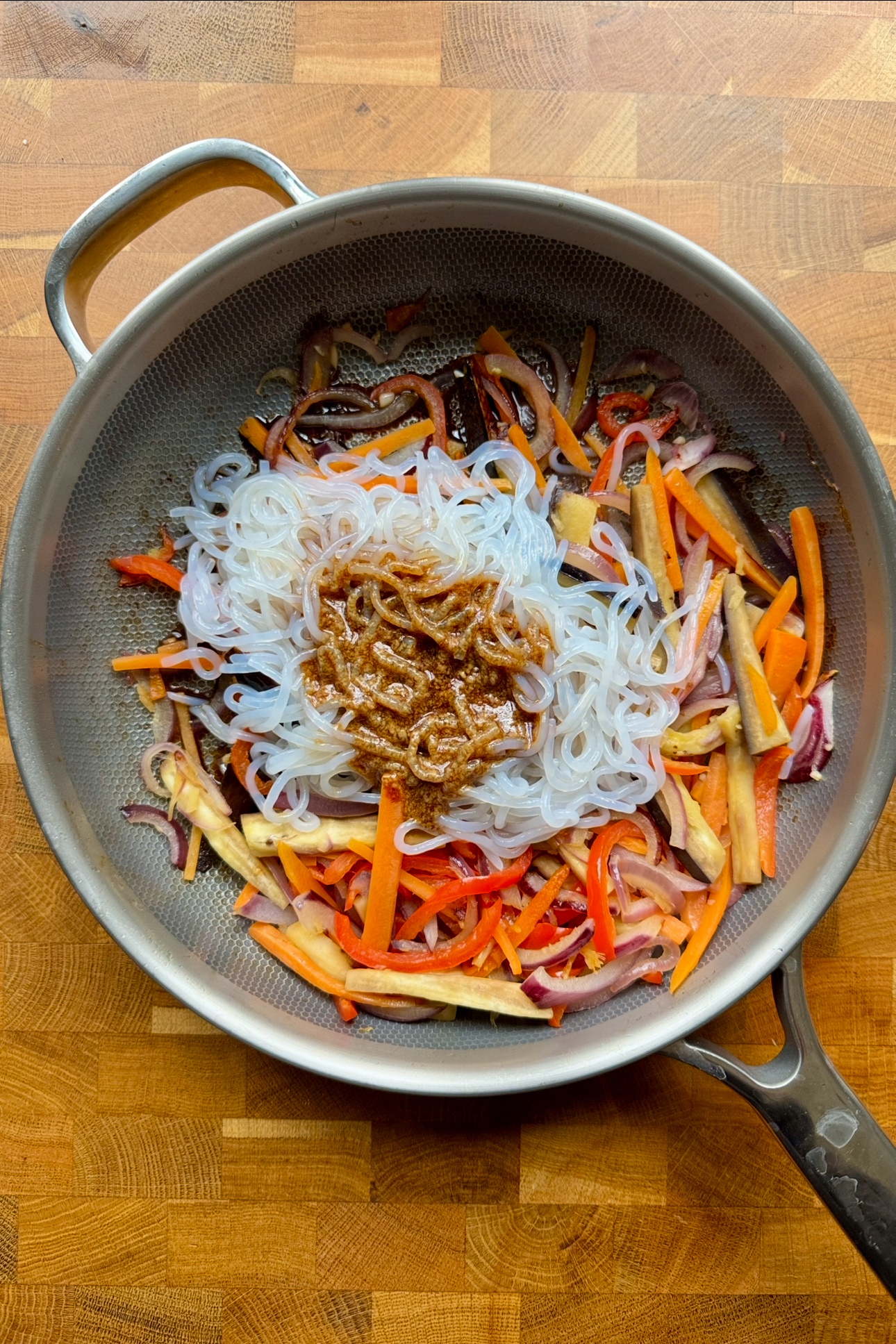
Step 5: Once your vegetables have got some colour to them and have softened slightly, add in the shirataki noodles and the sauce. Stir fry and combine until the sauce coats the vegetables and noodles.
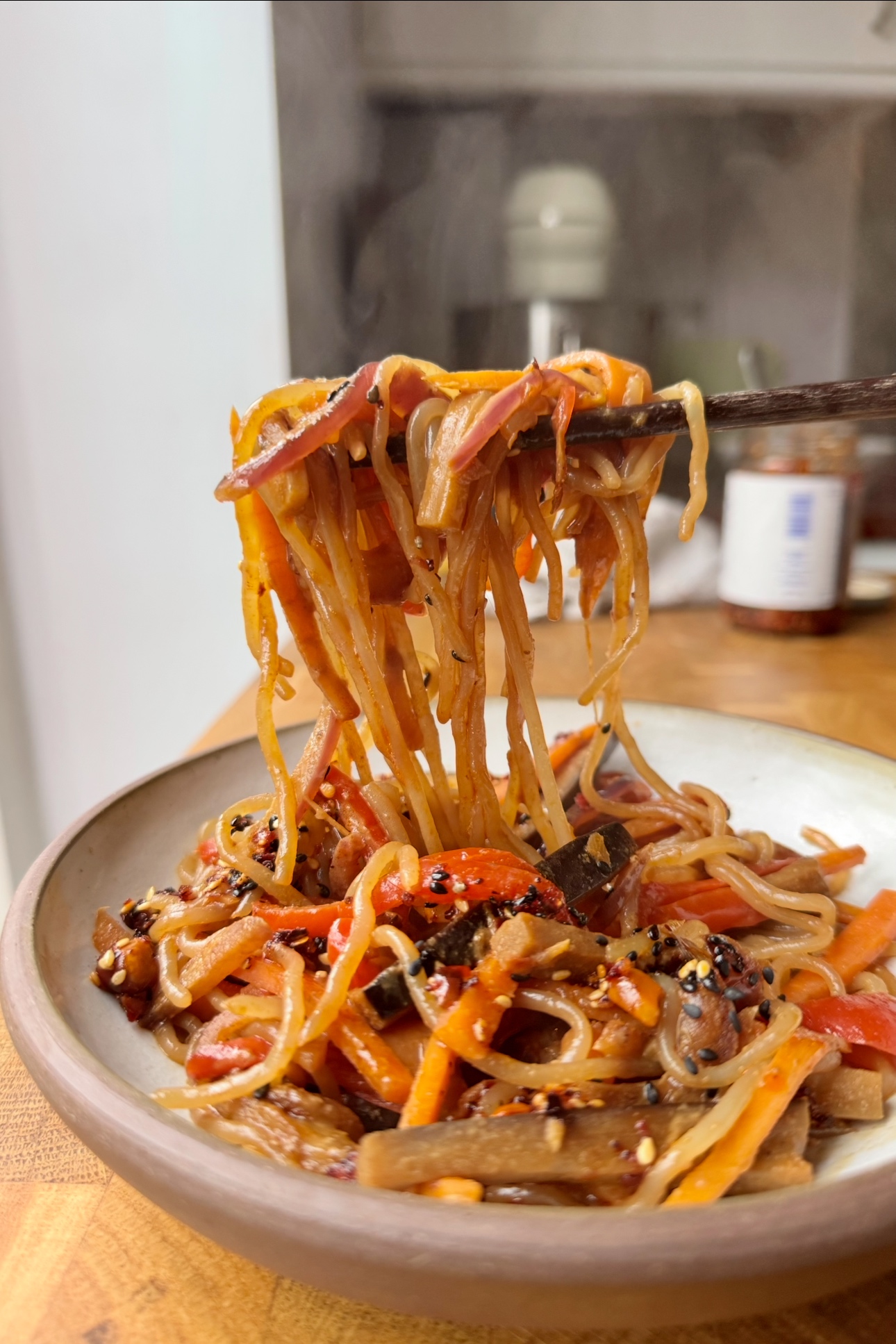
Step 6: Divide the noodles between two bowls, top with sesame seeds, and enjoy!
What To Do with Leftovers
Storage: leave the noodles to cool, then place in airtight containers and into the fridge for up to 3 days.
Freezing: based on my research and packaging, they don't recommend freezing konjac noodles, but if you give it a go, let me know if the texture/flavour stays just as good!
Reheating: place a splash of water into the tupeprware, and lid ajar, microwave for a few minutes until piping hot.
FAQs
They're low calorie noodles from Japan, made from water and konjac yam flour.
For sure, but the calorie amount will change depending on the noodles you use!
I'll be honest, due to the lack of calories, I do tend to feel quite hungry after eating them compared to wheat noodles. However, that's why we're adding in a load of vegetables! They're there to add nutritional value but also to fill us up without too many calories!
More Recipes You Might Love
If you tried this Shirataki Noodles Recipe or any other recipe on my website, please leave a 🌟 star rating and let me know how it went in the 📝 comments below. Thank you!

Quick Shirataki Noodles Recipe
Ingredients
- 4 garlic cloves minced
- 1 inch ginger minced
- 1 red onion sliced
- 1 carrot sliced into matchsticks
- ½ aubergine/eggplant sliced into matchsticks
- 1 red bell pepper thinly sliced
- 475 g shirataki noodles the packet should say serves 2
- 1 tablespoon black sesame seeds for garnish
For the sauce
- 1 tablespoon dark soy sauce
- 1 tablespoon rice wine vinegar
- ½ tablespoon sesame oil
- 1 tablespoon honey see ingredients and substitutions for other options
- 1 tablespoon tahini see ingredients and substitutions for other options
Instructions
- Prepare your vegetables. Finely minced your garlic and ginger. Slice up your carrots, onion, red bell pepper, and aubergine/eggplant.
- Place a large frying pan or wok on medium heat and drizzle with vegetable oil. Once hot, add in all the vegetables and fry for 5 minutes, stirring occasionally.
- Prepare your konjac noodles. Remove them from their packet and rinse under cold water.
- Make your noodle sauce by combining dark soy sauce, rice wine vinegar, sesame oil, honey, and tahini/sesame paste in a small bowl. Stir to combine and taste for personal preference.
- Once your vegetables have got some colour to them and have softened slightly, add in the shirataki noodles and the sauce. Stir fry and combine until the sauce coats the vegetables and noodles.
- Divide the noodles between two bowls, top with sesame seeds, and enjoy!

Leave a Reply